
Ammonium Sulfate (Ammonium Sulfate) Complete Guide: Utilizing the dual nutrients of "nitrogen + sulfur" to maximize crop yields
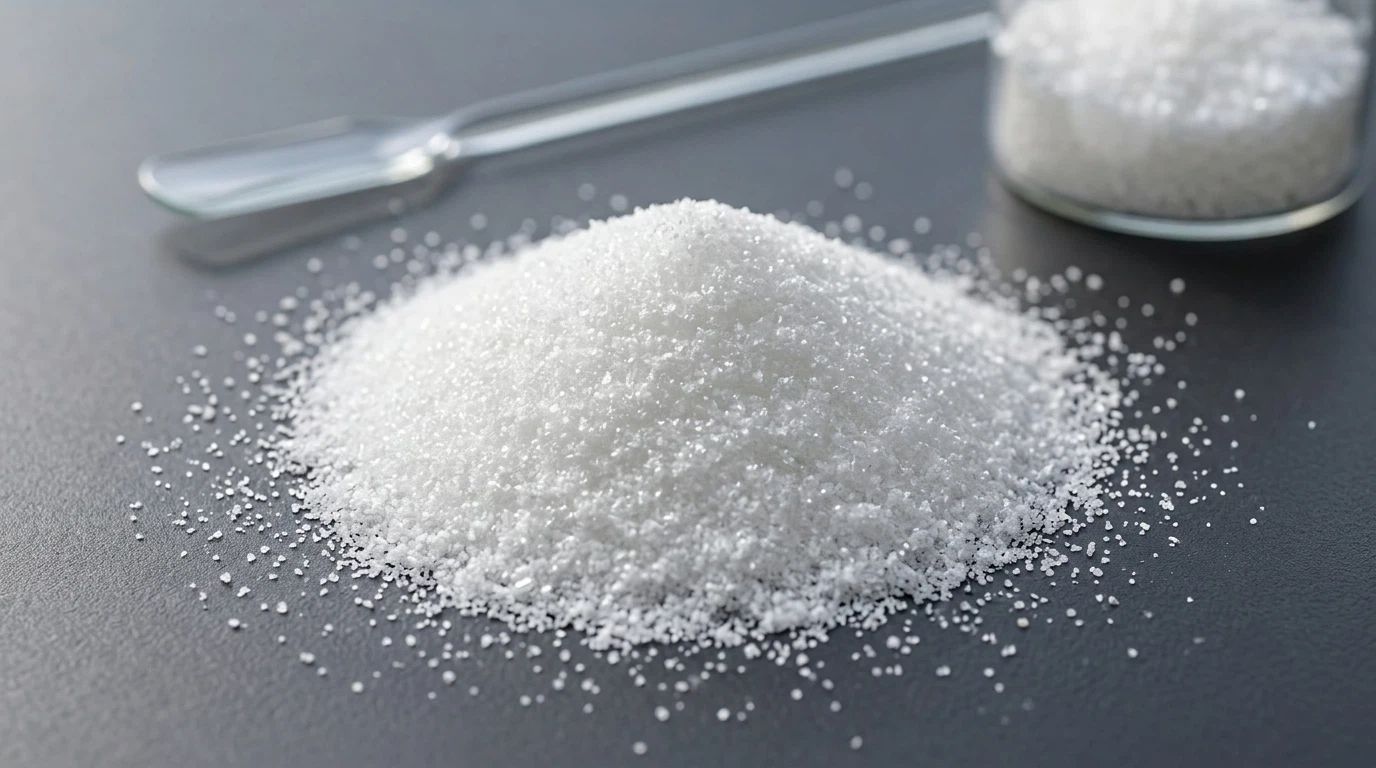
Meta Description: Learn more about what ammonium sulfate fertilizer (AMS) is, its core agrochemical properties, and how it can increase crop yields through an efficient "nitrogen + sulfur" combination. Including the acidifying advantages of ammonium sulfate in alkaline soils, applicable crops and best application methods.
introduction
In modern commercial farming, optimizing crop nutrition solutions requires finding a delicate balance between controlling costs and providing precise nutrition. Although urea remains a widely used nitrogen source around the world, it often falls short in soils that are deficient in secondary elements, especially sulfur.
This is where Ammonium Sulfate (AMS) comes into play. As a highly effective, dual-nutrient fertilizer, ammonium sulfate has become an indispensable strategic tool for farmers around the world to maximize crop yields, improve crop quality, and effectively manage soil alkalinity.
For agricultural fertilizer distributors and large farm operators, a deep understanding of the strategic value of ammonium sulfate is key to developing a high return on investment (ROI) soil nutrition program.
What is ammonium sulfate fertilizer?
Ammonium sulfate is an inorganic salt fertilizer widely used in the agricultural industry. Its chemical formula is (NH
4
)
2
SO
4
. It typically contains 21% nitrogen (N) - in the form of ammonium nitrogen - and 24% sulfur (S) - in the form of sulfate.
Unlike physically mixed fertilizer blends, each particle or crystal of high-quality ammonium sulfate contains both essential nutrients. This chemical composition makes it one of the most reliable, instantly available sulfur sources on the market today.
The strategic advantages of “nitrogen + sulfur” dual nutrition
The true agrochemical effectiveness of ammonium sulfate lies in the synergy between its two main components:
Ammonium nitrogen (NH
4
+
): Unlike nitrate nitrogen, ammonium nitrogen is not easily lost from soil particles and has greater resistance to leaching even in heavy rain. In addition, plants require less energy to metabolize ammonium nitrogen to form protein, thereby promoting faster vegetative growth of crops.
Sulfate sulfur (SO
4
2−
): Sulfur is no longer considered a dispensable, minor nutrient; it is essential for chlorophyll formation, enzyme activation, and the synthesis of essential amino acids (methionine and cysteine). The sulfur in ammonium sulfate is present in the form of sulfate, which means that plants can absorb it directly without having to wait for the long-term oxidation process by soil microorganisms.
When nitrogen and sulfur are applied at the same time, sulfur can significantly help crops use nitrogen more effectively and prevent the waste of nitrogen, thus greatly improving the overall nutrient use efficiency (NUE).
Core agrochemical properties and advantages of ammonium sulfate
Ammonium sulfate has unique agricultural characteristics compared to other nitrogen fertilizers such as urea or ammonium nitrate:
1. Ideal for alkaline and calcareous soils (acidification advantage)
When plant roots absorb ammonium (NH) from fertilizers
4
+
), they release hydrogen ions into the rhizosphere. This process produces a localized acidifying effect around the roots, slightly lowering the pH of the rhizosphere soil. For growers dealing with high pH (alkaline) soils, this localized acidification effectively unlocks soil-immobilized trace elements such as phosphorus, iron and zinc so they can be readily absorbed by crops.
2. Extremely low nitrogen volatilization loss
When urea is applied on the soil surface, it is very prone to volatilization losses (lost to the atmosphere in the form of ammonia gas). If the urea cannot be quickly covered with soil or irrigated, up to 30% or more of nitrogen can sometimes be lost. In contrast, ammonium sulfate is very stable on the soil surface and has very low volatility, making it an excellent choice for crop top dressing, even where immediate irrigation or plowing is not possible.
3. Correct sulfur deficiency immediately
Sulfur deficiency in the soil will lead to chlorosis and yellowing of young leaves of crops and short plants, seriously affecting the commercial properties of crops. Because the sulfate in ammonium sulfate is 100% soluble in water, it can provide a quick, immediate and effective supplement to sulfur-poor farmland in early spring when soil temperatures are low and natural sulfur mineralization is slow.
Core applications: Crops that benefit most from ammonium sulfate
Although ammonium sulfate is suitable for a variety of crops, its application on the following high-yielding, high-value crops can bring significant economic returns:
Crops with high sulfur requirements: Oil crops (such as rapeseed and soybeans), cruciferous vegetables (cabbage, broccoli) and legume crops require large amounts of sulfur to synthesize oil and protein.
Alkaline-sensitive crops: Potatoes (potatoes), blueberries, and certain citrus fruits grow best in slightly acidic conditions. Application of ammonium sulfate helps maintain optimal rhizosphere pH required for these high value crops.
Grains and Pastures: Wheat, corn and alfalfa have significantly increased protein content and greener canopy growth when fertilized with a nitrogen + sulfur combination (AMS).
Best Ammonium Sulfate Application Methods and Practices
For best results and maximize fertilizer return on investment, follow these application guidelines:
Base fertilizer and top dressing: Due to the low volatility of ammonium sulfate, it is very suitable as a base fertilizer for crops before sowing, and is also very suitable as a top dressing for surface broadcast during the active growth stage of crops.
Avoid mixing with alkaline materials: Never physically mix ammonium sulfate directly with highly alkaline fertilizers such as calcium nitrate or lime, as this can trigger a chemical reaction that results in the loss of nitrogen.
Soil Salinity Monitoring: In extremely arid areas with high base soil salinity, application rates should be carefully calculated based on professional soil testing to avoid excessive salt accumulation.
Conclusion: Your strategic partner in crop nutrition
Ammonium sulfate is far from an ordinary bulk fertilizer; it is a precision strategic tool designed to address the twin challenges of nitrogen management and sulfur deficiency simultaneously. By optimizing soil pH and ensuring the immediate availability of nutrients, AMS empowers modern commercial farms to increase productivity while practicing responsible management principles for the land.
At Horizon Fertilizer Group, we supply high purity crystalline and granular ammonium sulfate that fully meets the stringent quality standards of the global agricultural market. Our granular ammonium sulfate has extremely high physical structural strength, which effectively reduces dust during treatment and ensures even distribution when applied to farm fields.
Ready to increase crop yields and build a reliable fertilizer supply chain? Visit our website horizonfertilizergroup.com today to contact our international team of agrochemists and get a customized quote.