
How to Import Fertilizer from China: A Practical Guide for International Buyers
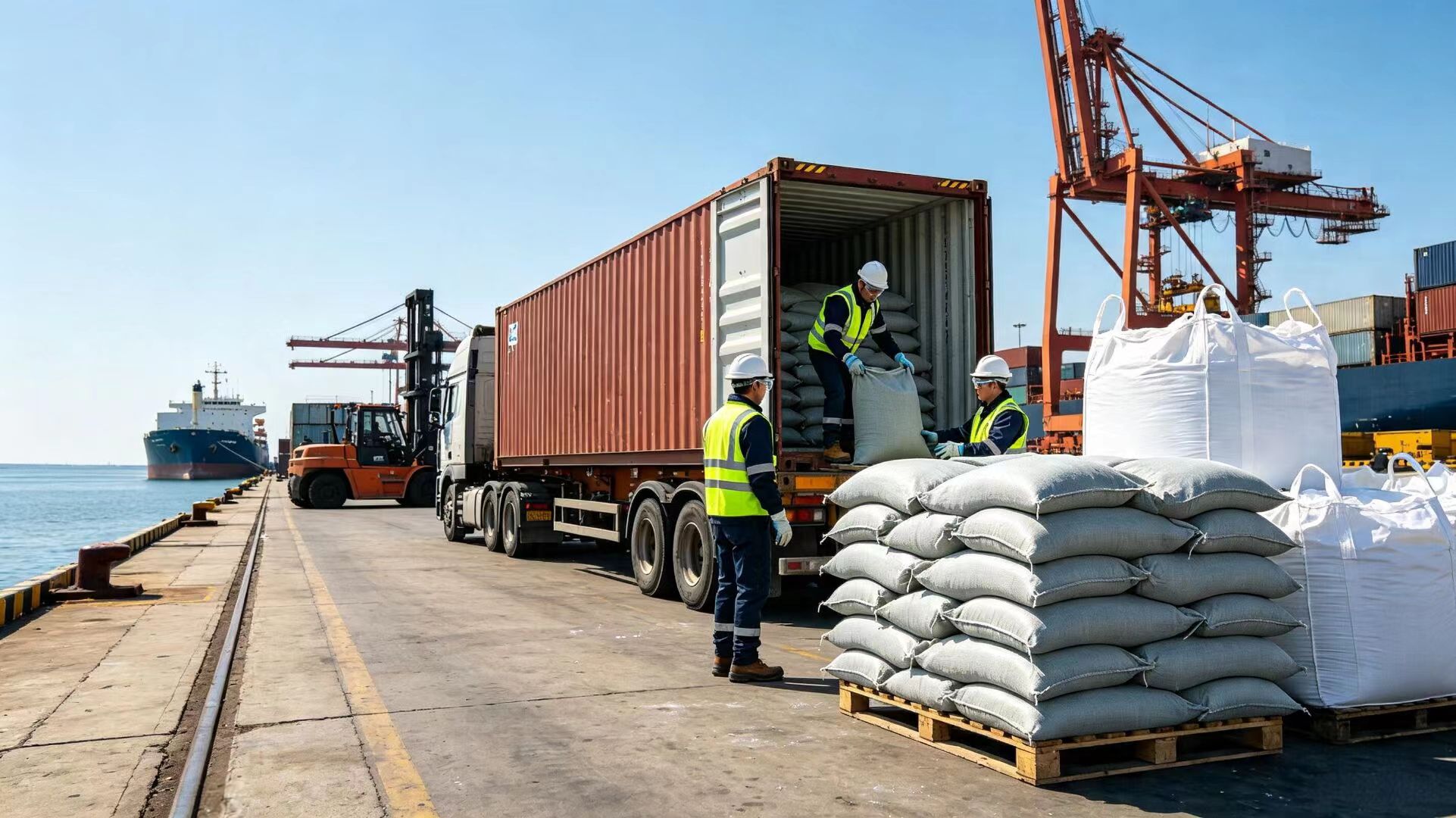
Importing fertilizer from China involves much more than just comparing per-ton prices. A successfully executed international sourcing process requires confirming product specifications, packaging types, supply capacity, international logistics, import compliance, customs clearance, and secure payment methods.
Whether you are purchasing Ammonium Sulfate, Urea, NPK compound fertilizers, water-soluble fertilizers, phosphate/potash fertilizers, or micronutrients, following this guide will help international buyers mitigate transaction risks and improve purchasing efficiency.
I. Clarify the Product and Detailed Specifications
The first step in any inquiry is to confirm the exact product name and its technical specifications.
If you are sourcing NPK compound fertilizers, simply stating "NPK" is not enough. Buyers should provide the specific formula, such as:
NPK 15-15-15
NPK 20-20-20+TE
NPK 12-20-12 + 8% SO3
NPK 10-30-10
Depending on the fertilizer type, you may also need to confirm:
Total nutrient content
Secondary and micronutrients
Moisture content
Particle size range
Granule crushing strength
Water solubility
Chloride content
Dust or fines content
Color and appearance
Governing standards
If the product is intended for mechanical spreading, you should also specify requirements for granule uniformity, flowability, crushing strength, and low dust levels.
The final quality standards should always be governed by the agreed contract specifications and the actual batch Certificate of Analysis (COA).
II. State the Intended Use
The same fertilizer formulation can have different manufacturing and application requirements depending on its end use.
Buyers should clarify if the product is for:
Local distribution
Direct farm use
Fertilizer blending (compounding)
Drip irrigation or fertigation
Greenhouse cultivation
Mechanical spreading
Private label sales
Indicating the application helps suppliers recommend the right product grade, particle size, packaging, and technical documentation.
Specific fertilization programs should always be determined in combination with local crop, soil, water quality, climate, and professional agronomic advice.
III. Confirm Commercial Sourcing Volumes
The purchasing volume directly impacts production scheduling, packaging, container loading, and ocean freight costs.
Buyers should specify whether their demand is for:
Laboratory samples
Small trial orders
One container (FCL)
Regular monthly purchases
Large bulk vessel shipments
The unit logistics cost for small-volume mixed purchases is typically higher than that of full container loads. If you need multiple formulas, please list the quantity for each product and confirm whether mixed loading is allowed.
For long-term purchasing, we recommend providing both the initial order quantity and the estimated monthly or annual volume, enabling suppliers to design more competitive supply solutions.
IV. Choose the Right Packaging
Common packaging options for fertilizer export include:
25 kg woven bags
50 kg woven bags
Jumbo bags (Ton bags)
Custom printed packaging
Loose bulk shipments
Packaging choices affect product cost, payload capacity, storage, handling, and local retail requirements.
Before customizing packaging, please confirm:
Packaging material
Net weight per bag
Need for an inner PE liner
Printing languages
Label details
Need for pallets
Minimum Order Quantity (MOQ)
Destination country labeling regulations
If the destination country requires displaying the importer's details, registration numbers, or specific nutrient declarations, these must be verified and approved prior to production.
V. Select the Correct Incoterms
The most common trade terms used in fertilizer export quotes are FOB, CFR, and CIF.
FOB (Free on Board)
The seller loads the goods onto the vessel at the designated Chinese port of shipment. The buyer is typically responsible for international ocean freight, marine insurance, import customs clearance, duties, taxes, destination port charges, and local transportation.
CFR (Cost and Freight)
The seller arranges transport to the designated port of destination, but insurance, import customs clearance, and destination port charges remain the responsibility of the buyer as specified in the contract.
CIF (Cost, Insurance, and Freight)
The seller is responsible for the cost of goods, ocean freight, and agreed insurance to the designated destination port.
CIF does not mean delivery to the buyer's warehouse. Unless otherwise explicitly agreed in the contract, the buyer is still responsible for:
Import licenses
Fertilizer registration
Destination port customs clearance
Customs duties and import taxes
Destination port local fees
Cargo pickup
Inland transportation
All quotes must specify the exact destination port, the scope of costs included, and any excluded items.
VI. Verify Import, Clearance, and Delivery Capabilities in Advance
Before arranging samples or commercial shipments, buyers should verify local import requirements with a licensed customs broker or fertilizer regulatory consultant.
Key areas to verify:
Whether your company is legally authorized to import fertilizers
If the product requires local registration or import permits
The correct HS Code for classification
Required certificates and documents
Applicable customs duties and import taxes
Labeling and testing requirements
Who will handle clearance at the destination port
Who will manage local pickup and inland transport
Any HS Code provided by the supplier is for reference only; final classification must be verified by your local customs authority or licensed broker.
Export and import policies are subject to change. Always recheck current regulations before signing contracts, making payments, or shipping.
VII. Request the Correct Product Documentation
Required documentation varies by product type and destination country.
Common technical documents include:
Certificate of Analysis (COA)
Technical Data Sheet (TDS)
Safety Data Sheet (SDS)
Product Specification Sheet
Packaging specifications
Product and loading photos
Common trade documents include:
Commercial Invoice
Packing List
Bill of Lading (B/L)
Certificate of Origin (C/O)
Inspection certificates (e.g., SGS, CCIC)
Insurance policies
Other documents required by the destination country
All documents must correspond to the actual product, manufacturer, and specific batch. General documents for similar products cannot replace official paperwork for the current shipment.
VIII. Arrange Representative Physical Samples
Physical samples help buyers inspect:
Product color and appearance
Particle size distribution
Dust and fines content
Granule hardness
Flowability
Water solubility
Packaging quality
However, samples are also subject to export, courier, and destination country import regulations.
Before dispatching, please confirm:
Sample quantity required
Recipient's legal company name
Full address and phone number
Tax ID or import registration number
Declared product description
Courier acceptance policy
Local customs clearance requirements
The formal commercial order remains subject to the contract specifications, batch COA, and agreed inspection methods, rather than sample appearance alone.
IX. Compare Total Landed Cost
International buyers should never compare ex-factory prices alone.
The total landed cost typically includes:
Product Cost
Packaging Fees
Domestic Transport in China
Port and Export Charges
International Ocean Freight
Insurance Premiums
Import Duties and Taxes
Destination Port Fees
Customs Clearance Charges
Local Delivery to Warehouse
When requesting quotes, confirm whether they are based on EXW, FOB, CFR, or CIF, and note the validity period.
Product prices, ocean freight rates, exchange rates, inventory levels, export policies, and shipping schedules fluctuate constantly. An expired quote cannot be executed.
X. Verify Supplier and Payment Details
Before making any payments, buyers must verify:
Seller's legal company name
Registered address
Corporate email domains
Contracting entity
Beneficiary account name
Bank name and SWIFT code
Consistency across the Contract, Proforma Invoice (PI), and Bank Account
Any change in payment instructions must be verified independently using established communication channels. Never trust an unverified email or chat message announcing a change of bank account.
Prior to signing, also clarify payment milestones, inspection arrangements, quality standards, shipment terms, and claim handling procedures.
What Information is Needed to Get a Fertilizer Quote?
To receive an executable FOB, CFR, or CIF quote, please provide the following details:
Product Name:
Target Specifications:
Order Volume:
Packaging Requirements:
Destination Country:
Destination Port:
Trade Term (Incoterm):
Estimated Purchase/Shipment Month:
Company Name:
Corporate Email:
Import/Registration Status:
The more complete your information, the more accurately the supplier can verify production, packaging, loading, documentation, and international shipping rates.
Get Fertilizer Export Quotes
Horizon Fertilizer supports international clients with fertilizer supply coordination, export packaging, technical documentation, and international shipping solutions.
Our product inquiry range includes:
Ammonium Sulfate
Urea
NPK Compound Fertilizers
Water-Soluble Fertilizers
Phosphate Fertilizers
Potash Fertilizers
Micronutrients & Specialty Fertilizers
To obtain a quote, please share your product specifications, volume, packaging, and destination port with us.